

Are You Ready to Combat the Financial Literacy Gap in Your Child’s Education? Tips Here!
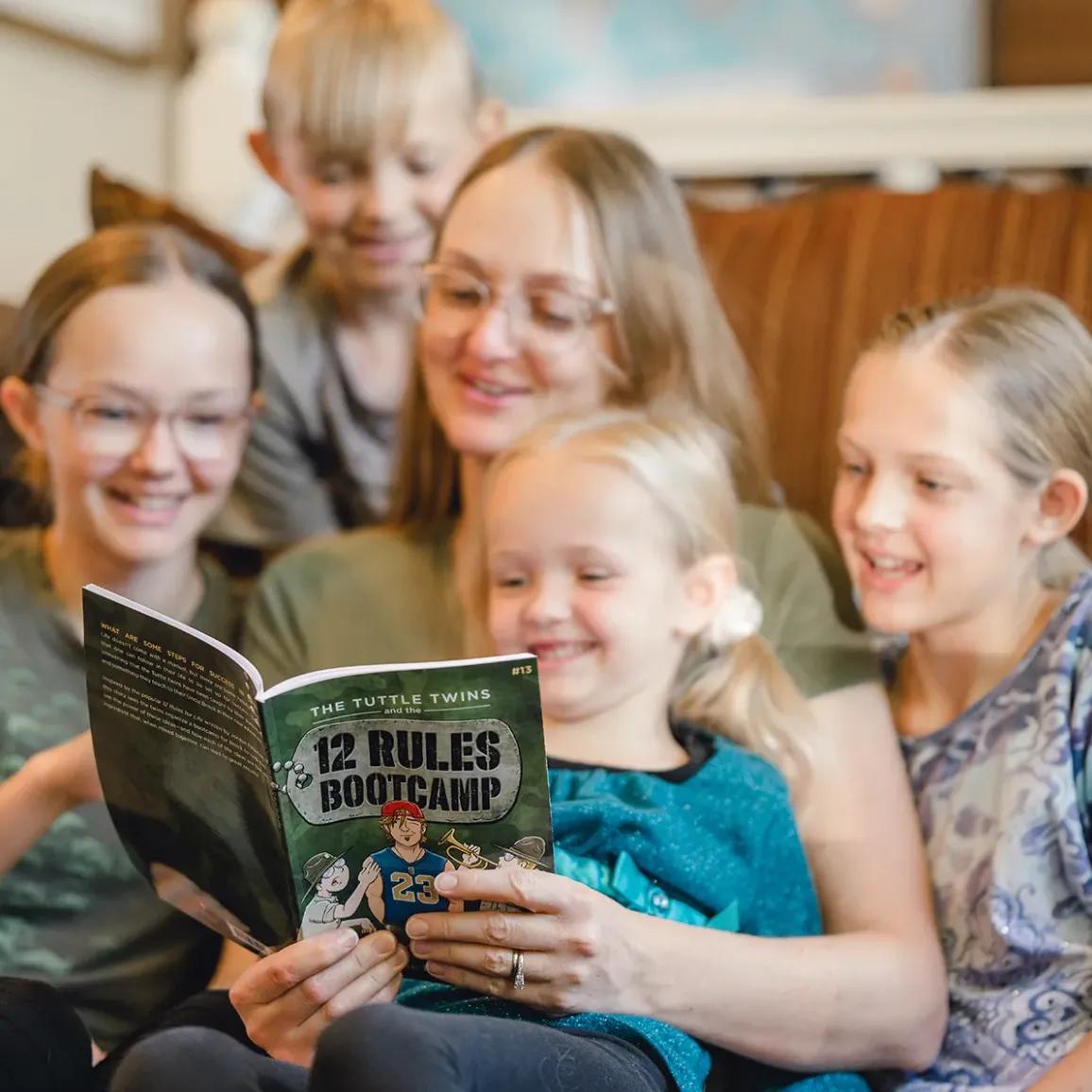
When your kids set sail on their adult life, will they be ready for all the financial challenges life has to offer? They might not be because of a critical gap in their education. But Patricia McMahon is among the growing number of parents who are learning how to teach kids about money. After reading the Tuttle Twins books, her son came up with a plan he thinks would solve inflation: do what the ancient Romans did, using gold and shaving it down to show different values in currency to keep the government from continuing to print money. Do you want your kids to be this informed? Read on!
Bridging the Gap
Do you or your kids know enough to debate money-related topics from an informed perspective? Do you/ they know as much as Patricia’s son? Believe it or not, financial literacy isn’t really taught very widely or very much, as evidenced by a survey conducted last year.
Parents’ biggest concern about their child’s real-world preparedness is a lack of real-world financial skills, and financial literacy is at the top of the list of subjects parents wish their kids had learned more about at school. If you’re one of those parents who are wondering how to teach kids about money, the Tuttle Twins books have your back!
Launching Discussions About Money
The best way to dive into discussions about money — and educate yourself on how to talk to kids about money — is through books like the Tuttle Twins series. The Tuttle Twins books will certainly help with teaching kids free market economics, and you’ll learn alongside your kids!
Reading books from the Tuttle Twins series with your kids creates special moments and memories they’ll carry with them for a lifetime. They’ll remember how you were the one who taught them all about money, filling an important gap in their education. And these reading moments feed into even more moments around the dinner table, during car rides, or at any other times you’re with your kids and have time to talk.
To launch discussions about money using books like the Tuttle Twins series, pause throughout the story to ask open-ended questions like:
· What do you think the character will do next?
· What should they do next?
· Why do you think this way?
· How do you think the story will end and why?
When you’ve finished reading the book and have time later to talk, ask other open-ended questions like these:
· Why do you think the story turned out the way it did?
· What are some alternate solutions the characters could have tried?
· Why would or wouldn’t those solutions have worked?
· How could we solve this problem in our community?
· Why would a smaller government have been better in this situation?
· Why would a store owner cut prices, and how does that help consumers?
· What would happen if just a single pizza shop was allowed to operate in town?
· Who helped make this pencil and how did they all work together?
· How would you choose a price for a toy you developed?
· What do “voluntary” trades mean for both people?
· What makes one business successful and another not?
The Tuttle Twins series covers all these questions and more, and you’ll be well on your way toward teaching kids free market economics.
Ultimately, the goal isn't just to teach children about currency or markets, but to empower them with the critical thinking skills necessary to navigate a complex world. By integrating these lessons into your daily life, you are providing your children with a foundational "financial compass" that will guide their decisions long after they’ve left the nest. Don't wait for a school curriculum to catch up to the real world; grab a copy of the Tuttle Twins today and start building a legacy of liberty and financial wisdom, one page at a time.